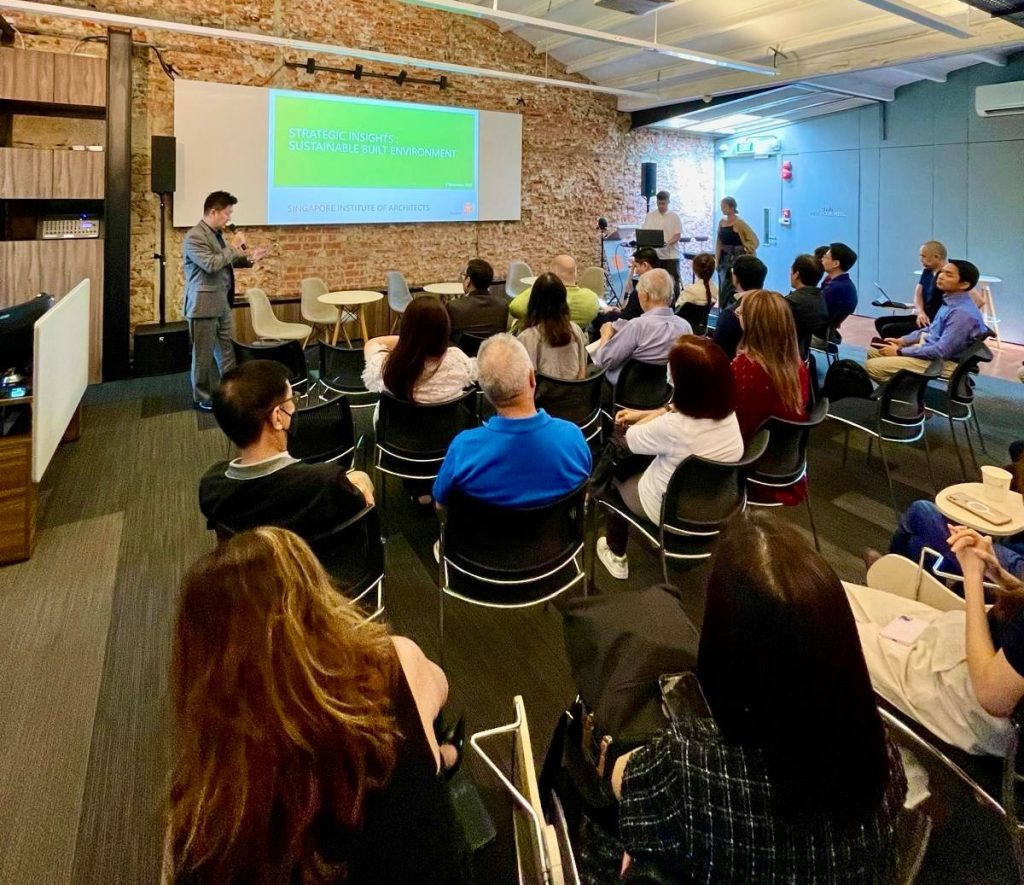
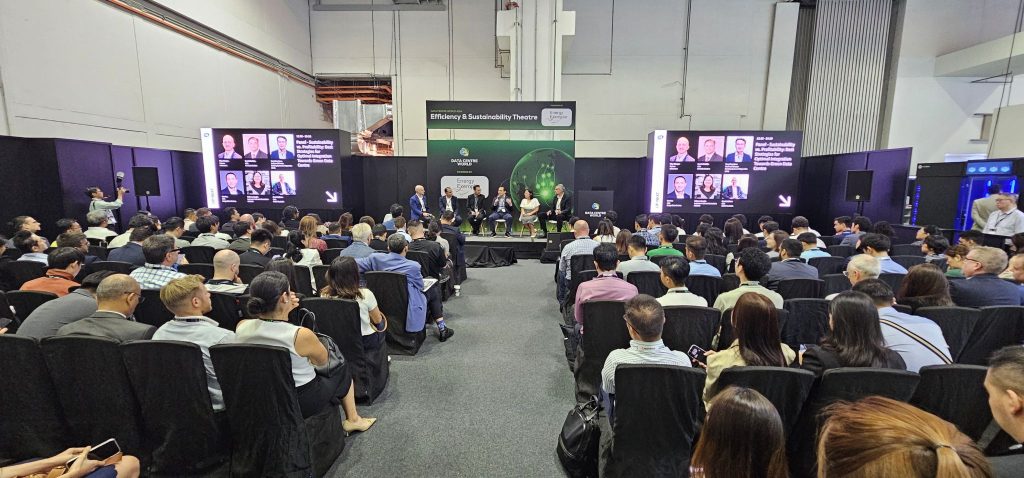
BSD & Climate Asia at SIDAC: Collaborating for Low-Carbon Interiors (GMI).
January 28, 2026
BSD and Climate Asia joined SIDAC’s seminar to share practical low-carbon interior strategies, fro...

May 2025

1. The Scope 3 Problem Unlike Scope 1 (direct emissions) and Scope 2 (purchased electricity), Scope 3 includes indirect emissions across the value chain. This includes: - Upstream: Materials manufacturing, transport, construction activities - Downstream: Building operations, user behavior, end-of-life disposal In building projects, Scope 3 can account for 70–90% of total lifecycle emissions.
2. Where Scope 3 Hides in Projects - Materials (Category 1): Concrete, steel, glass—especially if not locally sourced or low-carbon - Waste (Category 5): Site waste, packaging, construction offcuts - Business Travel & Employee Commute (Category 6 & 7): Often unmeasured but highly relevant for consultancies and project managers - Use Phase (Downstream): Emissions from tenant operations, if performance guarantees are tied to energy or IAQ
3. What BSD Recommends To manage Scope 3 effectively: - Conduct Whole Life Carbon Assessments using EN 15978 methodology - Use EPDs (Environmental Product Declarations) for product-level visibility - Track upstream/downstream impacts through Carbon Compaz, BSD’s new emissions platform - Prioritise procurement strategies that encourage low-carbon materials
4. Policy Is Catching Up Green Mark 2021 now includes credits for embodied carbon. Meanwhile, ISSB (via IFRS S2) makes Scope 3 mandatory where material. It’s no longer “good to have”—it’s a baseline.
At BSD, we help clients decode Scope 3 complexity with practical tools, verified methods, and sector-relevant benchmarks.
🌱 Ready to reduce your carbon impact beyond the obvious? Get in touch with our Carbon Advisory Team.